Function, materials and construction
The history of military shirts is linked to the transformation of military clothing from a uniform into a tool for tackling different activities and environments. A shirt intended for field use had to be practical, easy to wear, and suitable for use in conjunction with other layers of clothing. These requirements led to the creation of different designs, in which the material and details play a specific role.
Structures designed for use
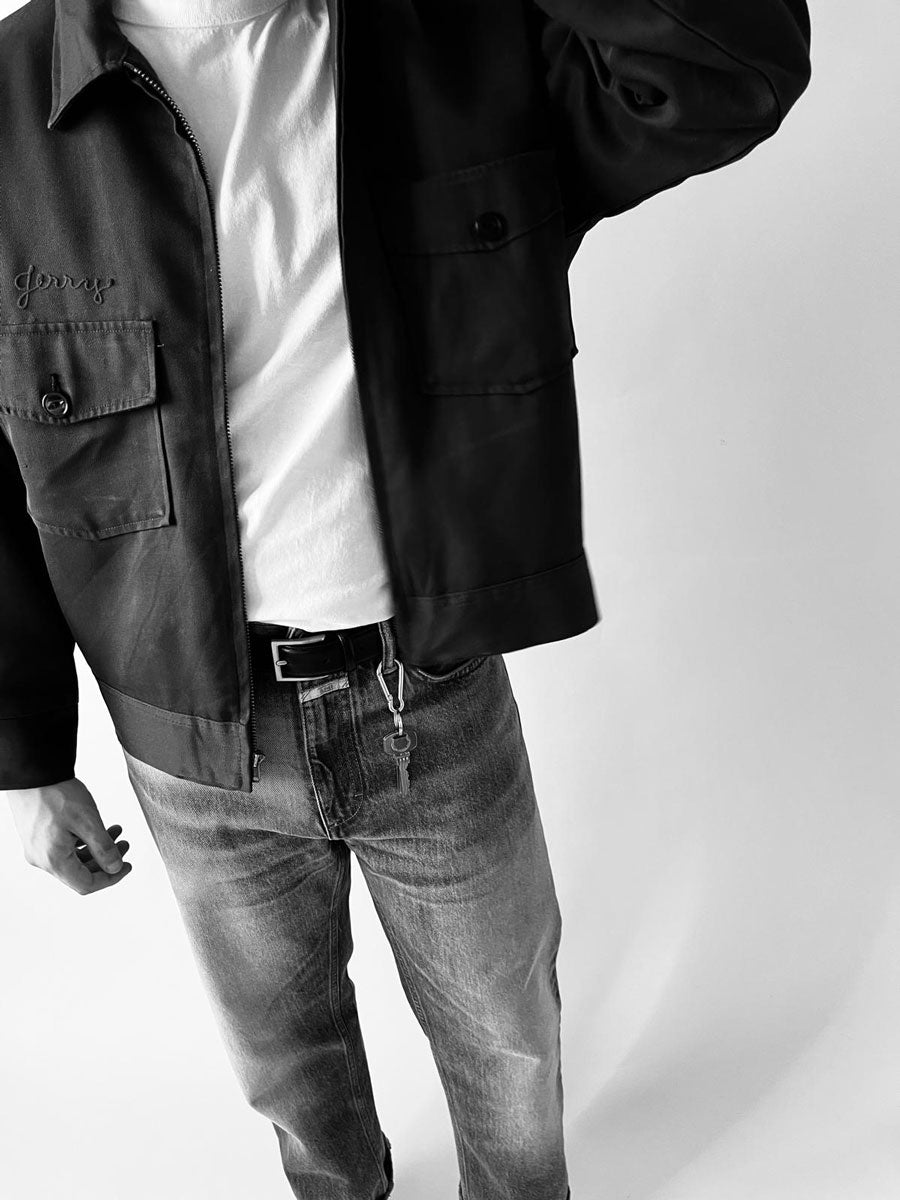
The presence of pockets, flaps, buttons, epaulets, or adjustment systems does not stem solely from an aesthetic choice. Every element can serve the need to carry small items, protect a part of the body, or make the garment better suited for movement. The structure of the shirt also changes in relation to its intended use: some productions favor a simple and lightweight construction, while others introduce more elaborate details to meet specific requirements. It is precisely this variety that makes vintage military shirts interesting.
The character of materials
Materials contribute decisively to the look and feel of the garment. Cotton, twill, canvas, and other textile constructions have been used in different weights and structures, depending on the conditions and the period of production. A lighter fabric can promote breathability and freedom of movement, while a more compact construction offers a completely different structure. The way the fabric changes through use also contributes to the personality of vintage military shirts, making the passage of time and the garment’s history visible.
The philosophy behind the Refade selection
Many elements now associated with military shirts are therefore the result of concrete necessities. Patch pockets, layered constructions, closures, and proportions were created to make the garment more practical, but over time they have become part of an aesthetic language recognizable even outside the military environment. The Refade selection starts precisely from this relationship between function and design, seeking out different productions where materials, construction, and details allow one to read the history of the garment without reducing it to a simple aesthetic issue.
The collection develops over time through new additions and different origins. To continue your search, you can also explore Military Surplus or the wider selection of Vintage Shirts.